TO MARKET #1 - CORNISH TEA, PACKAGING YOUR STORY & A LEDGER OF QUALITY BRANDS
Welcome to To Market - a fortnightly dose of practical ideas for independent product brands who want to build something people genuinely care about.
In each issue, I’ll bring you three things:
A BRAND TO WATCH
I’ll break down something a brand is doing brilliantly, and show you what you can take away from it for your own business.
A MOVE TO MAKE
One practical idea you can put into action straight away. Not vague branding theory - something you can actually do to make your brand stronger, clearer or more distinctive.
A TOOL TO TRY
A useful resource, tool or discovery that’s worth knowing about. Something that could save you time, improve your brand or make building it a little easier.
No waffle. No inbox-filling rants or moans. Just three useful things to help you build a brand people want to buy from, remember and come back to.
A BRAND TO WATCH
I’m going to be stereotypically British and kick off the first To Market with a tea brand. Of course.
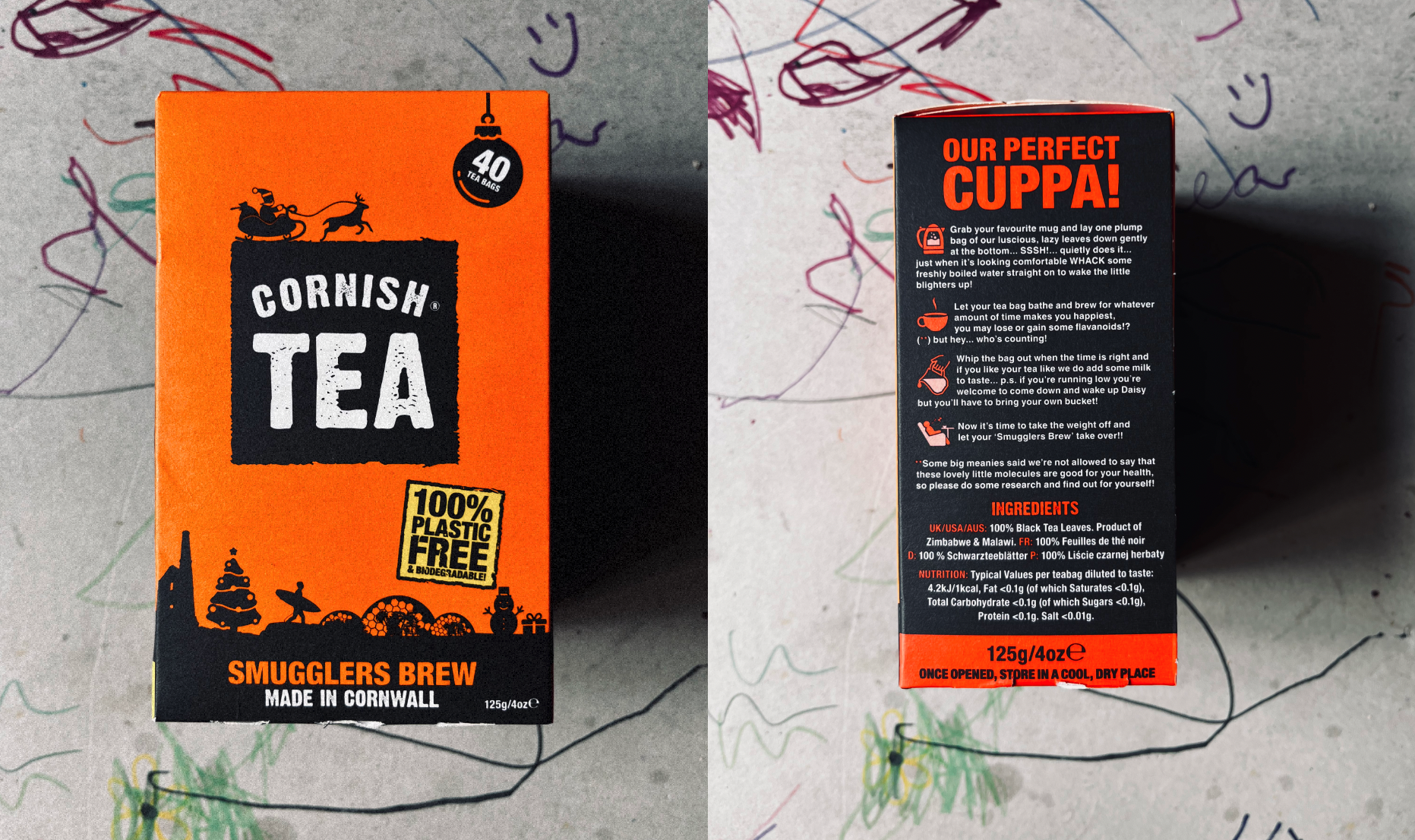
However Cornish Tea aren’t your strereotypical Tea Brand. Where others zig, they zag. Take their packaging for instance.
THEY TURN THEIR PACKAGING INTO A STORY
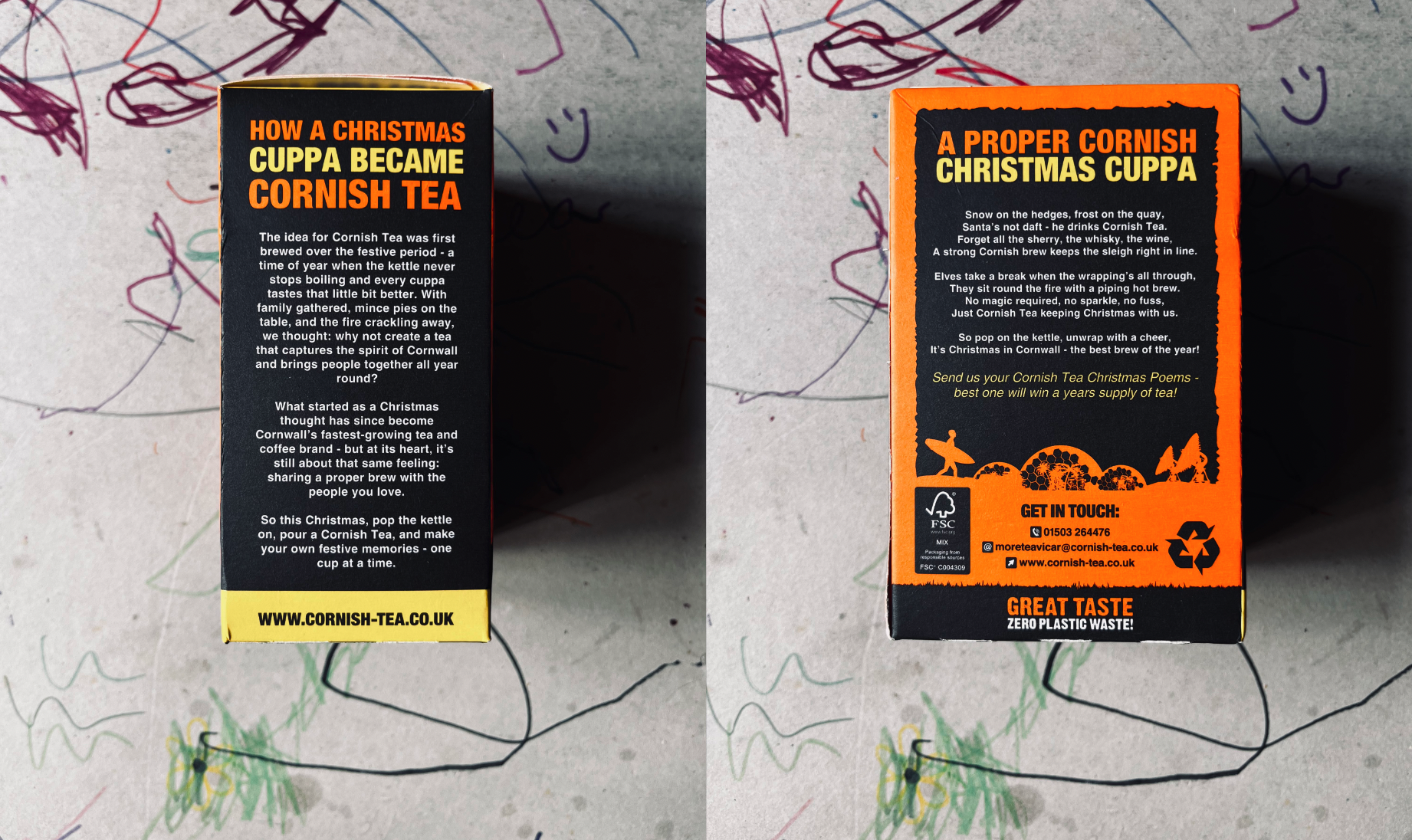
Instead of filling the side with the usual ingredients, barcode and generic brand waffle, they use it to tell the story of how Cornish Tea became a Christmas tradition.
Don't just tell people what your product is. Tell them what your product means - and give them a story they can see themselves becoming part of. That's a much more powerful reason to buy.
THEY TURN THE PRODUCT INTO AN EXPERIENCE
The back continues the storytelling with “A Proper Cornish Christmas Cuppa”. But rather than simply saying “Great taste. Premium ingredients. Made in Cornwall”, they create a little poem around drinking it. They even go further and encourage customers to actively participate in the brand world by sharing a poem.
People don't buy products in isolation. They buy them for the morning routine, the dinner party, the night in front of the fire. Involve them in your brand world and it becomes an experience, not just a habit.
THEY MAKE THE BORING UNBORING
The side panel is technically instructional information - but they've resisted turning it into boring packaging copy. Instead, they give the instructions personality: “Grab your favourite mug…”, “Let your tea bag bathe and brew...”, “Whip the bag out when the time is right…”
Even the nutritional information is incorporated into the same visual language. Your brand shouldn't disappear when you get to the functional information.
Ingredients, instructions, nutritional information and legal copy are still part of the customer experience. Give them the same personality and care as the front of the pack.
A MOVE TO MAKE
What do Cornish Tea do brilliantly? They turn an otherwise mundane thing - buying and opening a box of tea bags - into an experience. They tell their story, why they give a damn, and that subliminally reinforces the notion of quality.
Run a quick audit of your packaging. Ask yourself these three questions.
1) Does it include your brand’s story/roots?
2) Does it include your brand mission or values or why you exist beyond selling products?
3) Does it actively involve the customer in any way? Ask them questions? Make them think?
A TOOL TO TRY
I’ve recently discovered The Brand Ledger, a brilliant little resource from Worse on Purpose that I think is well worth bookmarking.
It tracks 345 established brands and looks beyond the logo on the tin to ask a much more interesting question: who actually owns this brand, what happened to it, and is it still worth buying?
You can search brands individually or browse by category, with each one given a verdict - Approved, Watchlist, Former Great or Avoid - based on things like ownership changes, quality, corporate consolidation and what’s happened to the product over time.
For anyone working with product brands, I think there’s something particularly useful about it. We spend a lot of time looking at how a brand presents itself, but this is a reminder that a brand is ultimately built on what it actually delivers and how it is perceived by the people that buy it.
A famous name can survive long after the thing that made people love it has disappeared.
It’s also a fascinating rabbit hole if, like me, you’re interested in heritage brands, manufacturing and the stories behind the products sitting on your shelves.
Take a look - https://ledger.worseonpurpose.com/
That's it for this issue of To Market. I hope you've found something here you can take away and put to work in your own brand.
If you're thinking about revamping your branding or website and aren't quite sure where to start, you can book a 15-minute Brand Brainstorm with me. No hard sell - just a quick chat about what you're working on, what's not quite working and whether I can help.
See you in the next one,
David